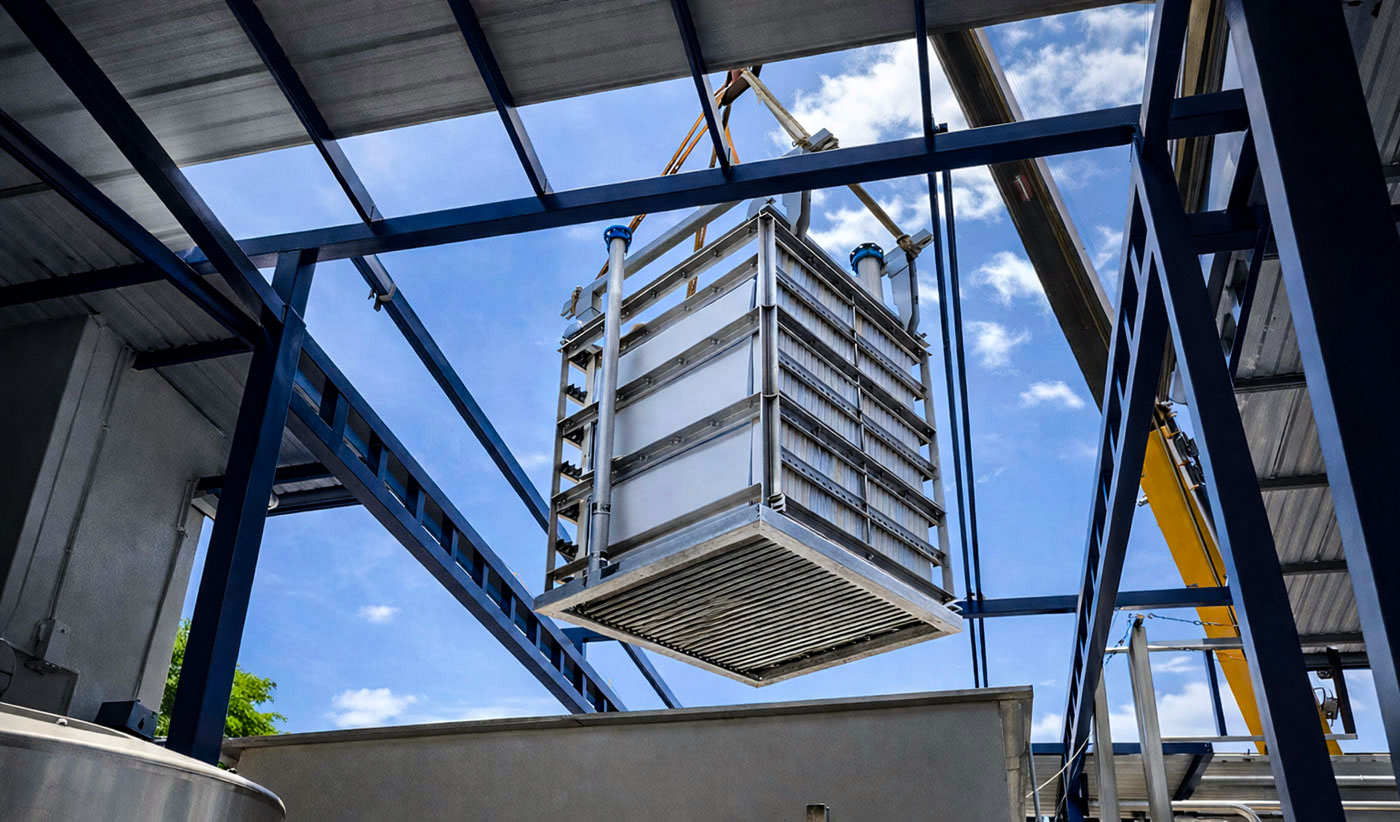
FibrePlate™ Fusion MBR Systems in Sustained Real-World Operation
FibrePlate™ Fusion membrane systems are operating across municipal, industrial, commercial, and retrofit wastewater treatment environments where long-term risk rather than controlled conditions defines performance outcomes. These installations are exposed to hydraulic variability, aging infrastructure constraints, regulatory ratcheting, and continuous operational stress over multi-year service intervals. Performance in these environments is the only valid measure of infrastructure-grade MBR architecture.
These case studies demonstrate FibrePlate™ Fusion operation where legacy membrane systems typically exhibit fouling acceleration, TMP instability, and rising operator intervention as assets age. FibrePlate™ Fusion systems maintain controlled performance under these conditions, confirming their role as a reference architecture for long-term wastewater infrastructure rather than a site-specific optimization.
Municipal Wastewater Case Studies
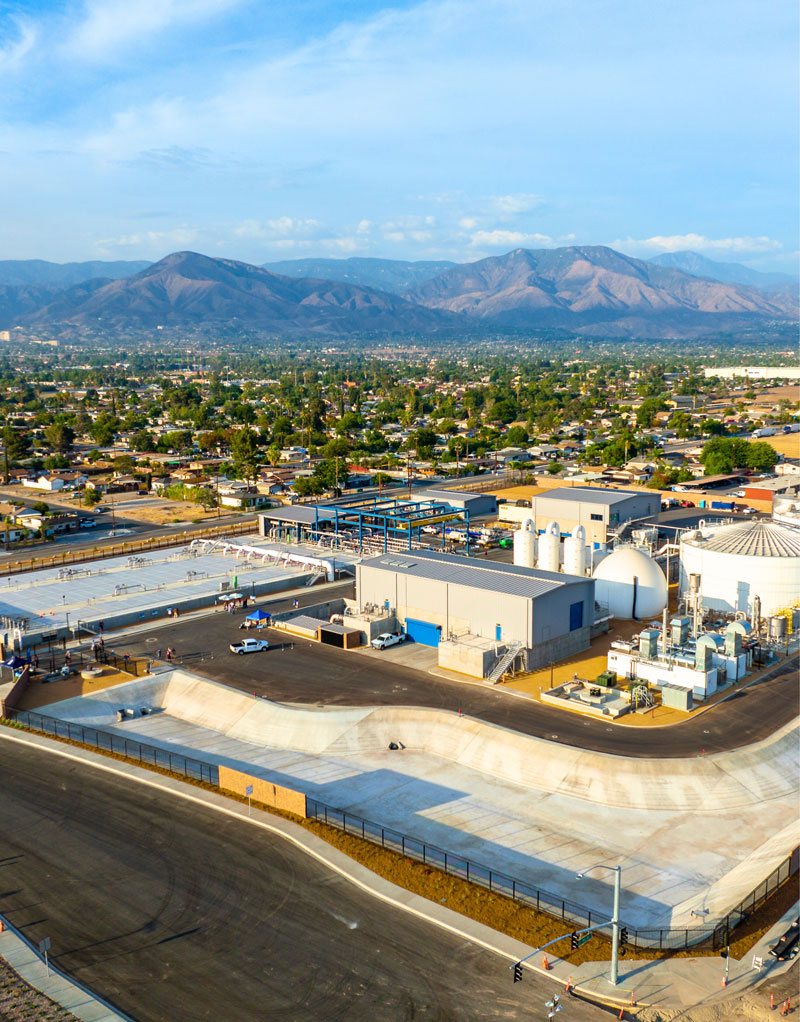
In municipal applications, FibrePlate™ Fusion membrane deployments have followed formal, multi-stakeholder evaluation processes involving independent engineering consultants, regulatory authorities, and municipal operations teams responsible for long-term asset performance.
Competing immersed membrane architectures were evaluated against criteria that directly correlate to lifecycle risk, including:
- Capital exposure within constrained footprints
- OPEX trajectory over long-term operation
- Constructability and integration risk
- Resistance to fouling-driven performance degradation
- Energy intensity and maintenance burden over time
Across multiple municipal projects, FibrePlate™ Fusion membrane systems were selected based on their compact architectural footprint, controlled and stable transmembrane pressure (TMP) behavior, and predictable lifecycle performance. These decisions reflect a clear distinction made by public owners: FibrePlate™ Fusion is specified as infrastructure-grade technology appropriate for multi-decade municipal assets, not as a short-term performance alternative subject to degradation and escalation.
Municipal case-study details are available on request. Contact Fibracast to discuss project references relevant to your treatment goals.
Industrial & Commercial Case Studies
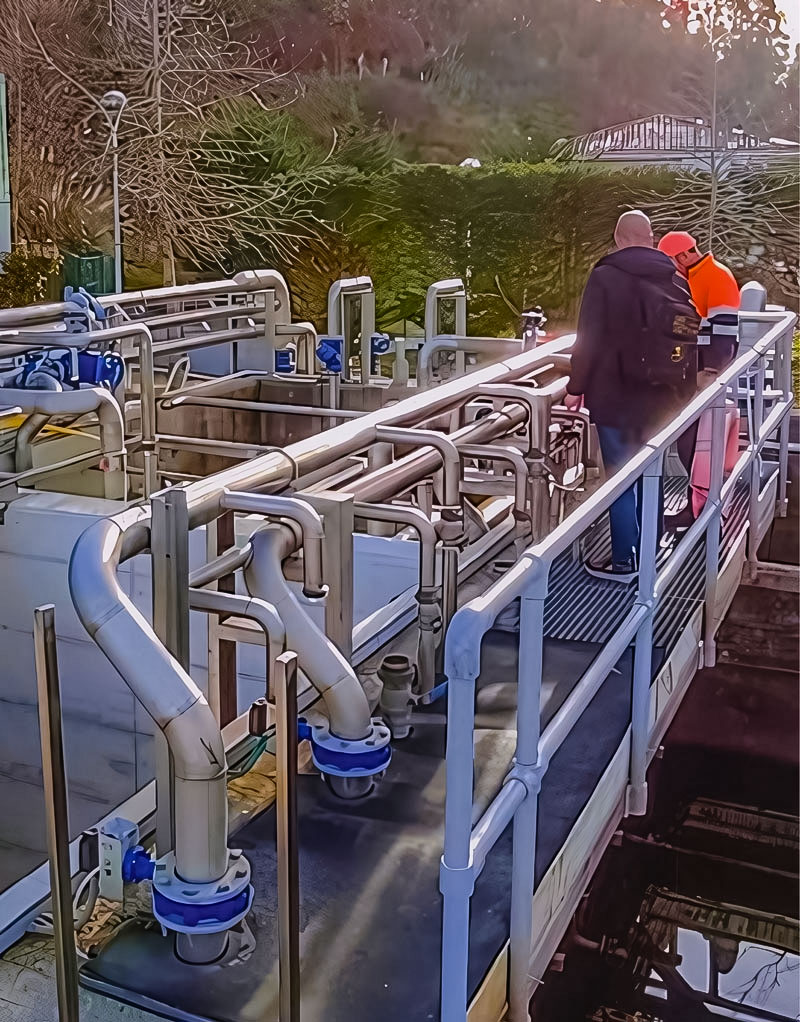
Industrial and commercial FibrePlate™ Fusion installations operate in environments where variability is structural, not episodic. Variable production cycles, shifting wastewater composition, space-constrained facilities, and high compliance exposure are persistent operating conditions that expose the failure modes of conventional MBR systems over time.
These installations span food and beverage, pharmaceutical, chemical, and mixed-use commercial facilities, including both new systems and retrofit upgrades executed without disrupting ongoing operations. In these environments, FibrePlate™ Fusion membrane systems maintain controlled solids separation, stable TMP behavior, and predictable performance under fluctuating hydraulic and organic loading, conditions that typically drive fouling escalation and operator dependency in legacy architectures.
Compact, infrastructure-grade system design enables integration within constrained plant layouts while preventing the civil expansion, downtime, and operational disruption that introduce long-term liability. Across these case studies, FibrePlate™ Fusion demonstrates resilience through controlled operation over time, confirming its role as a reference MBR architecture for industrial and commercial assets where lifecycle risk cannot be deferred or absorbed.
Industrial and commercial case-study details are available on request. Contact Fibracast for references aligned to your application and sector.
Retrofit & Upgrade Applications
Retrofit and upgrade projects represent a material portion of FibrePlate™ Fusion deployments and provide direct evidence of lifecycle risk removal in operating facilities. These applications expose membrane systems to the most demanding conditions: aging civil infrastructure, constrained hydraulics, variable influent, and limited tolerance for downtime.
In multiple facilities, legacy membrane systems were removed and replaced with FibrePlate™ Fusion membranes within existing basins, without major civil modification. This eliminated known failure modes associated with older architectures while enabling operators to:
- Increase treatment capacity within fixed hydraulic constraints
- Stabilize footprint utilization without expansion
- Control energy intensity over long-term operation
- Extend cleaning intervals and prevent fouling-driven escalation
These retrofits demonstrate FibrePlate™ Fusion’s function as a structural correction rather than a performance overlay. Improved scouring efficiency, controlled fouling progression, and sustained TMP stability were observed under variable influent conditions typical of mature facilities, conditions under which conventional systems continue to degrade over time.
Taken together, these case studies confirm that FibrePlate™ Fusion operates as a field-proven, infrastructure-grade ultrafiltration MBR reference architecture. It extends asset life, stabilizes OPEX trajectory, and restores predictable operation across municipal, industrial, and commercial retrofits where long-term performance is no longer optional and risk cannot be deferred.