Maximizing Capacity Without Expanding Footprint
Retrofit projects fail when capacity gains introduce long-term instability. FibrePlate™ Fusion retrofit solutions increase throughput while maintaining hydraulic openness, preventing fouling escalation and OPEX creep commonly associated with retrofit intensification.
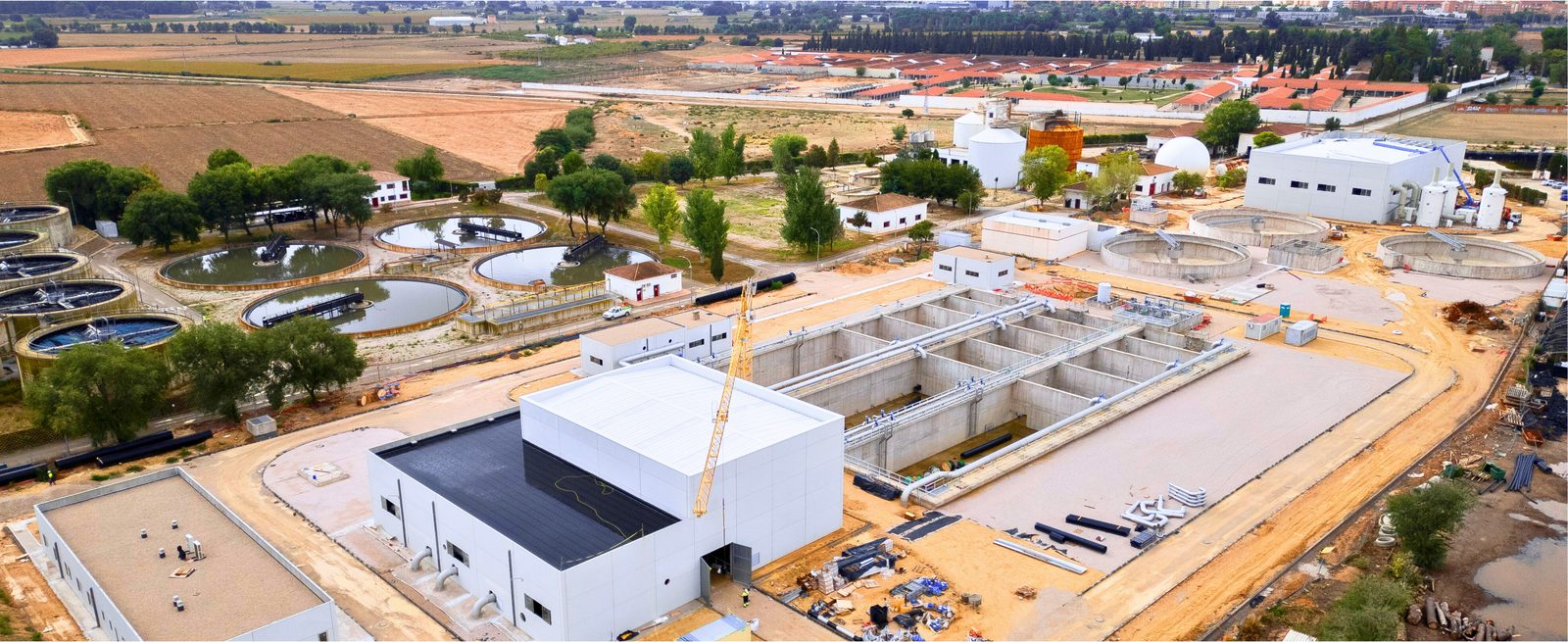
The open hydraulic architecture supports higher sustainable flux without disproportionate fouling risk. Uniform scouring and reduced debris retention extend cleaning intervals and stabilize long-term operation even at increased loading rates.
Retrofit Advantages
- Increased flow and load capacity using existing tanks
- Capital avoidance through civil scope reduction
- Shorter installation and commissioning timelines
- Extended life of existing treatment assets
- Reduced operator burden post-retrofit
Decision-Stage Value
FibrePlate™ Fusion retrofits remove the two dominant upgrade risks: construction exposure and uncontrolled lifecycle OPEX escalation.
Regulatory Compliance
The Fibracast MBR System helps municipalities consistently meet stringent discharge permits and water quality standards, even as regulations tighten.
Compact Footprint
Ideal for urban plants with limited space. Membrane separation replaces large clarifiers and sand filters, dramatically reducing the treatment plant footprint.
Water Reuse Ready
Produces high-quality effluent suitable for non-potable reuse applications, helping municipalities reduce freshwater demand and build water resilience.
Simplified Operations
Automated membrane processes reduce operator complexity and chemical usage, lowering long-term operating costs for municipal utilities.
Upgrading existing infrastructure no longer needs to mean compromise. FibrePlate™ Fusion systems are engineered to integrate seamlessly into existing membrane trains, enabling significant increases in capacity, improved hydraulic performance, and reduced operating costs, often within the same footprint. Proven retrofit applications demonstrate the ability to overcome common limitations such as fouling, energy consumption, and declining throughput, while extending the life and value of existing assets.
For facilities facing performance constraints or expansion challenges, exploring retrofit options may reveal opportunities that go well beyond incremental improvement.