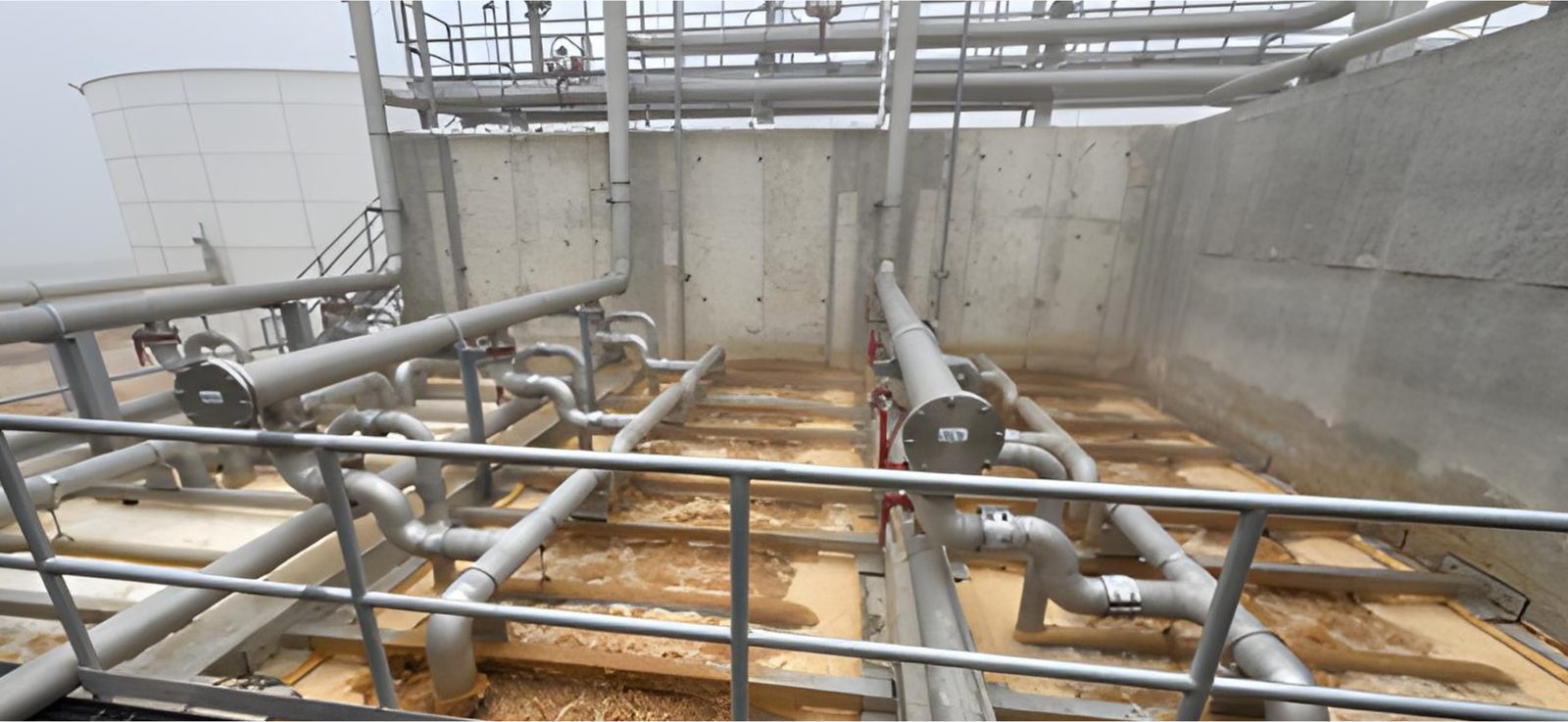
Stable Biology Through Structural Reliability
Energy · TMP · OPEX Predictability

Performance & Lifecycle Design Criteria for Immersed MBR Systems
Real wastewater treatment plants operate under constant variability. Daily and seasonal fluctuations in flow, organic loading, solids concentration, and debris content place continuous stress on membrane bioreactor systems. While many MBR technologies demonstrate strong short-term performance, long-term operation frequently reveals structural weaknesses that drive fouling instability, rising energy consumption, increasing maintenance effort, and unpredictable operating costs.
FibrePlate™ Fusion membrane technology is engineered specifically to perform predictably under these real-world operating conditions, not just during pilot testing or early years of operation. The design objective is long-term operational stability, where transmembrane pressure (TMP), energy demand, and maintenance requirements remain controlled and predictable throughout the asset lifecycle.
Long-Term Performance Drivers
Conventional immersed MBR systems often experience progressive performance degradation as hydraulic restriction increases, scouring becomes uneven, and debris accumulates within membrane assemblies. These conditions lead to accelerated fouling, increased aeration intensity, more frequent chemical cleaning, and rising operator intervention, particularly after year three to five of operation.
FibrePlate™ Fusion directly addresses these industry-wide challenges through a membrane architecture designed to remain hydraulically open and mechanically stable over extended service periods, even as influent conditions fluctuate.
Key architectural drivers of long-term performance include:
- Open hydraulic pathways that minimize flow restriction and reduce localized solids accumulation
- Horizontally mounted immersed membranes that promote uniform scouring across the entire membrane surface
- Reinforced flexible membrane construction that resists deformation, fatigue, and mechanical stress
- Elimination of dead zones where debris and biomass typically accumulate in conventional MBR designs
Together, these design elements reduce fouling intensity and prevent the progressive TMP creep that drives energy escalation and OPEX instability in legacy immersed MBR systems.
Transmembrane Pressure (TMP) Stability and Fouling Control
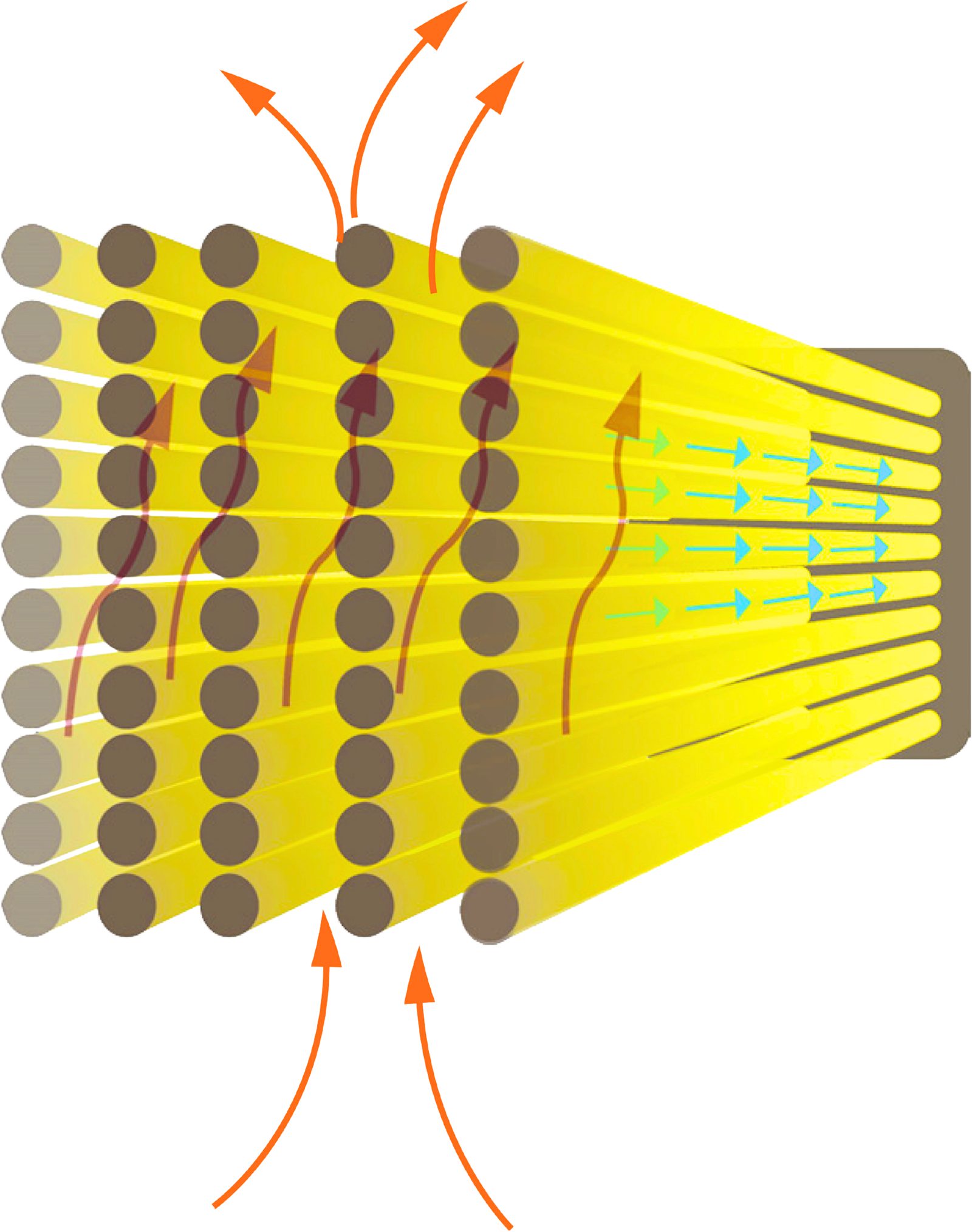
Stable transmembrane pressure is a critical indicator of long-term membrane system health. Fouling instability not only increases energy demand but also accelerates membrane aging, shortens cleaning intervals, and increases the risk of unplanned downtime.
FibrePlate™ Fusion membrane maintains stable Transmembrane Pressure (TMP) by:
- Reducing hydraulic resistance through unobstructed flow paths
- Ensuring consistent air scouring distribution across membrane surfaces
- Minimizing debris retention that leads to localized fouling and clogging
By lowering the frequency and severity of fouling events, the system supports consistent filtration performance across variable loading conditions, improving process control and long-term reliability.
Energy Consumption and Aeration Demand
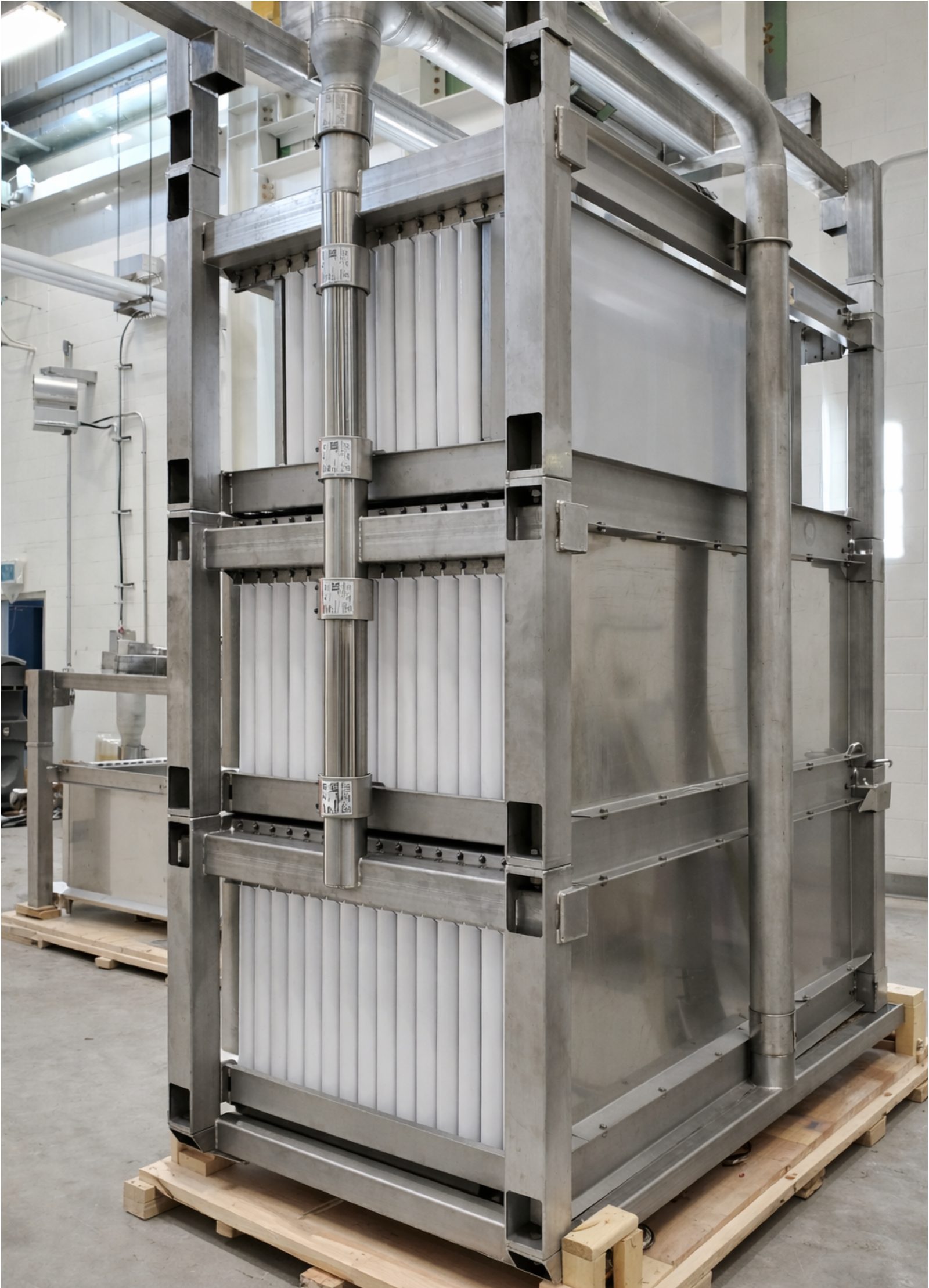
Aeration is the dominant energy consumer in immersed MBR systems. In conventional designs, increasing fouling resistance over time forces operators to raise aeration rates to maintain permeability, resulting in steadily increasing energy intensity.
FibrePlate™ Fusion reduces long-term aeration demand by:
- Maintaining open hydraulics that require less air to achieve effective scouring
- Preventing fouling buildup that drives escalating air requirements
- Supporting stable operation without aggressive operational intervention
The result is lower and more predictable energy consumption over the life of the system, rather than energy performance that degrades year over year.
Operational Expenditure (OPEX) Predictability and Operator Burden
Operational expenditure (OPEX)in MBR systems is driven by energy use, chemical consumption, labor requirements, and downtime risk. As fouling instability increases, these costs typically rise in parallel.
The structural stability of FibrePlate™ Fusion translates directly into measurable operational benefits:
- Reduced aeration energy demand lowers ongoing power costs
- Extended cleaning intervals reduce chemical usage and membrane wear
- Stable operation minimizes operator intervention and troubleshooting
- Lower risk of unplanned downtime improves system availability
For plant owners and operators, this means fewer surprises after commissioning and greater confidence in long-term operating budgets.
Biological nutrient removal depends on hydraulic and solids stability over time. FibrePlate™ Fusion maintains consistent biomass retention and flow behavior, preventing the process variability that undermines long-term nutrient performance.
Stable ultrafiltration performance enables:
- Reliable nitrification and denitrification
- Improved biological phosphorus removal
- Consistent MLSS control
- Reduced process variability
Uniform solids separation and predictable hydraulics simplify process tuning, reduce operator intervention, and enhance long-term nutrient removal reliability, particularly in facilities subject to seasonal loading changes.